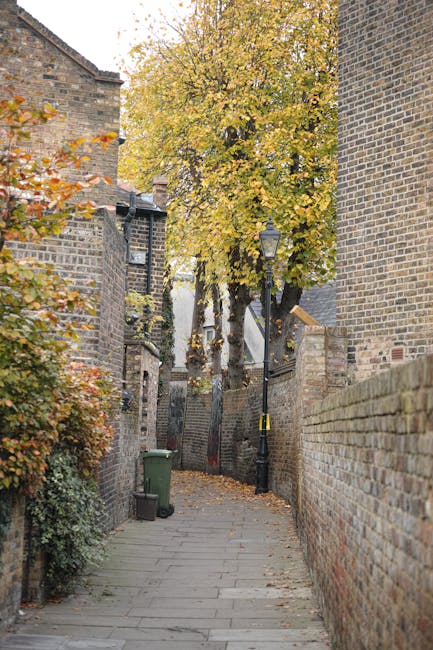
East Dulwich SE22 flat removals tips for narrow streets
Moving a flat in East Dulwich SE22 can feel straightforward on paper, then suddenly much less so when you are standing on a tight residential street with parked cars on both sides and a sofa that looks one inch too wide. That is exactly why East Dulwich SE22 flat removals tips for narrow streets matter. The right approach can save time, reduce damage, and stop a moving day from turning into a slow, stressful shuffle up and down a stairwell. In this guide, you will get practical advice for planning, packing, loading, parking, and choosing the right moving method for a narrow-street move in Dulwich.
Whether you are leaving a top-floor flat, a maisonette above shops, or a compact apartment tucked down a side road, the same principle applies: the move has to be designed around access. Not the other way round. Let's make it simpler.
Table of Contents
- Why narrow-street removals in East Dulwich matter
- How a narrow-street flat removal works
- Key benefits and practical advantages
- Who this is for and when it makes sense
- Step-by-step guidance
- Expert tips for better results
- Common mistakes to avoid
- Tools, resources and recommendations
- Law, compliance, standards, or best practice
- Options, methods, or comparison table
- Case study or real-world example
- Practical checklist
- Conclusion
- Frequently asked questions
Why East Dulwich SE22 flat removals tips for narrow streets Matters
East Dulwich has a very London kind of charm: period homes, lively high streets, side roads with character, and plenty of places where access is not exactly generous. If you are moving from a flat in SE22, the street outside can matter almost as much as what is inside the building. Narrow roads, parked cars, shared entrances, awkward turns, and limited loading space all shape the move.
That matters because flat removals are already more complicated than house moves. Add stairs, lifts that may be small or unreliable, neighbours coming and going, and a van that cannot sit directly outside the door, and the job gets trickier fast. A good plan reduces the number of trips, cuts down lifting distance, and helps everyone stay calm. To be fair, calm is underrated on moving day.
There is also a practical safety angle. The more you have to carry around corners, down kerbs, or through a tight hall, the higher the risk of scratched furniture, strained backs, chipped paintwork, and minor collisions with railings or door frames. In narrow streets, the room for error is small. That is why a move in East Dulwich should be approached like a logistics job, not just a van booking.
For many people, the real challenge is timing. A short road can become blocked quickly by school runs, deliveries, bins, or neighbour parking. A move planned with access in mind is simply more realistic. It tends to be quicker, less expensive in labour time, and less stressful for you and everyone else on the pavement.
How East Dulwich SE22 flat removals tips for narrow streets Works
A narrow-street flat removal works best when you break it into three parts: access, packing, and load order. If one of those parts is poorly handled, the whole move gets slower. The actual lifting is often the easiest bit; the tricky bit is making sure the van, the building, and the items all cooperate at the same time. They rarely do on their own.
First, access. You need to know how the van will stop, where the crew can safely park, and how far items will have to be carried. On a narrow street, a larger vehicle may be impractical if it cannot wait close to the entrance. Sometimes a smaller vehicle or a man and van service is the more sensible fit because it can manoeuvre more easily in tight residential roads.
Second, packing. Everything should be packed so it can be moved efficiently, not just stored neatly. That means strong boxes, well-labelled bags, furniture protected with blankets or wraps, and delicate items grouped separately. If you have a lot to move, professional packing services can make a real difference because the packing standard affects speed on the day.
Third, load order. On a move where the van cannot stay outside for long, the team needs to load in a sensible sequence. Heavy and bulky items go in first, then medium boxes, then the smaller loose bits that always seem to appear at the end. You know the sort of thing: a lamp, two chargers, a plant, and the one chair nobody remembers owning until the final five minutes.
Some moves also benefit from temporary storage. If the new flat is not ready, if access at the destination is limited, or if you are decluttering before the move, a combined removals and storage plan can be useful. Services such as removals and storage or short-term storage can reduce pressure when timing is not ideal.
Key Benefits and Practical Advantages
The biggest benefit of planning a narrow-street flat removal properly is control. You may not be able to control parking, weather, or the exact amount of space outside your building, but you can control preparation. That alone can make the difference between a tidy move and a drawn-out one.
- Less time wasted: A well-planned route from flat to van cuts down on repeated carrying.
- Lower risk of damage: Proper protection matters even more when you are turning corners and squeezing through doorways.
- Better use of labour: Movers can spend their time lifting and loading, not waiting for access to clear.
- Less stress for neighbours: A neat, efficient move is less disruptive on narrow residential streets.
- Safer handling: Fewer awkward manoeuvres usually means fewer accidents.
There is a commercial side too. A move that is easy to load and unload is usually easier to quote accurately. If a company knows the access situation in advance, they can recommend the right vehicle size, team size, and timing. That can help avoid costly surprises later on. If you want a sense of how pricing is typically approached, pricing and quotes is the right place to start.
And honestly, there is peace of mind in knowing you are not trying to wing it. A narrow street does not forgive improvisation.
Who This Is For and When It Makes Sense
This advice is for anyone moving a flat in East Dulwich SE22 where access is tight, parking is limited, or the building layout adds friction. That could mean a studio flat, a first-floor maisonette, a converted Victorian property, or a rented apartment with a long shared hallway. If you have ever looked at your staircase and thought, "That wardrobe is going to be a problem," then yes, this is for you.
It is especially useful if:
- you live on a narrow residential road with heavy parking
- your flat has stairs rather than a lift
- you own larger items such as beds, wardrobes, sofas, or white goods
- you are moving at a busy time of day
- you have limited help from friends or family
- you want to avoid multiple trips in and out of a building
It also makes sense if you are a student moving between term-time accommodation and a smaller flat, or if you are downsizing and need a mix of transport and storage support. In those cases, it can be worth looking at student storage, small removals, or even secure storage if a few items need to be held safely for a while.
Truth be told, not every move needs a full-scale removals package. Some need a lighter, more nimble approach. That is the main thing to get right.
Step-by-Step Guidance
1. Measure the awkward bits before you do anything else
Measure the width of your stairwell, hallway corners, door frames, and the largest pieces of furniture. Do not guess. The sofa that seems "fine" in the living room can suddenly become very opinionated when it reaches a tight landing. Also measure the route outside the building if possible, especially any tight bends, low walls, or gate openings.
2. Check access at both ends
Look at where a van could reasonably stop near your flat and near the new property. If the road is narrow, ask yourself a simple question: can a vehicle park safely without blocking the street? If not, the route may need a smaller vehicle, a staged load, or extra carrying time. That is normal in older London streets.
3. Sort items by move priority
Pack what you need first and label the boxes clearly. Keep essentials separate: kettle, chargers, medication, documents, basic toiletries, and one change of clothes. A label like "open first" is useful, but only if you actually remember where you put the box. We have all been there.
4. Dismantle furniture early
Take beds apart, remove table legs, empty wardrobes, and secure loose parts in labelled bags. Bigger pieces are often safer and easier to carry if they are broken down. Keep screws and fixings together, ideally taped to the relevant item or placed in one clearly marked bag.
5. Protect both furniture and property
Wrap corners, use blankets, and protect floors where heavy items might be dragged or pivoted. In tight hallways, one accidental scrape can leave a very visible mark. This is especially worth doing in older conversions where stair treads and bannisters may already be delicate.
6. Decide whether the van should wait or shuttle
Sometimes the smartest approach is not to force everything into one parking spot. A shuttle system, where items are carried to a safer loading point, can work better than trying to wedge a van into a difficult space. A good removals team will judge this carefully on the day.
7. Keep communication simple and direct
On moving day, clear instructions help a lot. Tell the team about the lift, the key handover, parking restrictions, fragile items, and any neighbours or building rules they need to respect. One quick briefing at the start can save a dozen small misunderstandings later.
Expert Tips for Better Results
If you want the move to go smoothly, a little extra preparation goes a long way. These are the kinds of details that experienced movers tend to care about because they have seen the same problem trip people up again and again.
- Use smaller boxes for heavy items. Books and crockery get heavy faster than people expect. A box that is too large becomes awkward on stairs.
- Keep door wedges handy. They help if the team needs to move repeatedly between the flat and the van.
- Protect the path, not just the furniture. Hallways and stair edges take a surprising amount of wear during a move.
- Plan around the quieter part of the day where possible. Early starts can help, especially if street parking is tight. Not always possible, but worth considering.
- Photograph the condition of larger items before moving. This can help if you want to check for pre-existing marks later.
- Keep children and pets out of the main route. It sounds obvious, yet it is easy to overlook when people are rushing.
One useful habit is to create a "narrow-street box" for the things you may need instantly once you arrive. Think tape, pens, bin bags, snacks, phone charger, key documents, and a bottle of water. Nothing glamorous. Very practical.
If the move feels too big to manage alone, a combined removals package may be worth considering. For bigger household moves, house removals and removals can be more suitable than trying to improvise with a vehicle and a few helping hands. It really depends on scale.
Common Mistakes to Avoid
The biggest mistakes are usually the boring ones, which is frustrating because they are also the most avoidable. A move in East Dulwich narrow streets rarely goes wrong because of one dramatic issue. More often it is a chain of little assumptions.
- Assuming the van will fit without checking. Streets that look manageable from the pavement can be tighter than they seem.
- Packing too late. Rushed packing leads to poor labelling and weaker box construction.
- Leaving dismantling until moving morning. That tends to create panic, missing tools, and loose screws everywhere.
- Forgetting building access rules. Some flats have timed entry, restricted lifts, or neighbour-sensitive shared spaces.
- Overloading boxes. Heavy boxes are harder to carry through narrow areas and more likely to split.
- Not planning for waste. Old packaging, broken items, and unwanted furniture need a plan too.
Another common issue is underestimating how much smaller a room feels once it is half empty and full of moving boxes. Suddenly there is nowhere to stand, nowhere to turn, and no clear route to the door. It happens all the time. A slightly less crowded room is a much safer room.
If you are decluttering at the same time, it can help to separate items you are keeping, donating, recycling, storing, and disposing of before the move begins. That one decision can make the rest of the day feel much more manageable.
Tools, Resources and Recommendations
You do not need a mountain of equipment, but a few basic tools make flat removals much easier. Think of these as the quiet heroes of moving day.
| Tool or resource | Why it helps | Best for |
|---|---|---|
| Furniture blankets | Protects wood, paint, and fabric during tight manoeuvres | Sofas, beds, tables, and wardrobes |
| Removal straps | Improves grip and control on stairs | Heavy or bulky items |
| Sturdy boxes | Reduces breakage and collapsing loads | Books, kitchen items, and mixed packing |
| Bubble wrap or paper wrap | Cushions fragile items | Glassware, lamps, ornaments |
| Labels and marker pens | Makes unloading and room placement faster | Every box, honestly |
| Floor protection | Helps prevent scuffs and dirt transfer | Shared hallways and internal corridors |
On the service side, there are a few relevant options depending on your move size. If you need something compact and flexible, a man and van can be a strong fit. If you need more support with handling and care, packing services can reduce the preparation burden. If you are trying to split the move into phases, self storage or household storage may give you breathing room.
For business owners moving office items from a flat or live-work space, it can also be worth looking at office removals or business storage if documents, equipment, or stock need a temporary home. That is a slightly different scenario, but the access logic is very similar.
Law, Compliance, Standards, or Best Practice
For most flat removals in East Dulwich, the practical concerns are more important than strict legal theory, but there are still a few standards and norms worth keeping in mind. Parking, loading, and obstruction rules can vary by street and borough, so it is sensible to check local requirements in plain language before moving day rather than assuming the van can stop anywhere for as long as needed.
Best practice also means protecting people as well as property. Movers should use safe lifting techniques, avoid carrying loads they cannot control, and keep routes clear where possible. A good moving team will think about the risk of slips, trips, and pinch points, especially on stairs and narrow landings. That is not overcautious. It is just good work.
Insurance matters too. If you are using a removals provider, ask what is covered, how items are handled, and whether high-value or fragile belongings need specific declaration. The wording can be a bit dry, yes, but it is worth understanding before anything goes in a van. You can review the basics in the company's insurance and safety information and health and safety policy.
If you are storing items between addresses, read the terms and conditions carefully so you understand access, responsibilities, and storage duration. It is one of those slightly dull tasks that pays for itself in peace of mind.
Options, Methods, or Comparison Table
Different moves call for different methods. Here is a straightforward comparison to help you choose what fits your situation rather than what sounds easiest in the moment.
| Option | Best for | Pros | Watch-outs |
|---|---|---|---|
| Full removals service | Larger flat moves or lots of furniture | Less stress, more support, better coordination | Can be more than you need for a very small move |
| Man and van | Smaller loads or tight access streets | Flexible, nimble, often easier in narrow roads | May need more hands-on preparation from you |
| Small removals | Studios, one-bed flats, mixed light loads | Efficient and practical for compact moves | Not ideal if you have many bulky items |
| Removals and storage | Moves with timing gaps or downsizing | Reduces pressure and creates flexibility | Requires planning storage duration and access |
| Self storage plus transport | People decluttering or moving in stages | Good control over what moves when | More coordination on your side |
If your street is especially tight, the best option is often the one that avoids unnecessary vehicle size. Bigger is not always better. In fact, sometimes it is just harder to park.
Case Study or Real-World Example
Picture a typical East Dulwich move: a one-bedroom flat on an upper floor, a narrow road with cars parked on both sides, and a sofa that just about made it into the property in the first place. The move day starts with a quick check of access. The van cannot stop directly outside the entrance, so the team parks a short distance away and creates a clear carrying route.
The movers begin with the biggest items while the hallway is still clear. Beds are dismantled first, mirrors are wrapped, and boxes are sorted by room before they leave the flat. That saves a lot of backtracking later. One box is labelled "kitchen basics," another "bedroom first night," which sounds simple but helps a lot once everyone is tired and the light is starting to fade a bit.
There is one awkward moment near the stairs, naturally. There always is. The wardrobe section looks like it will catch on the corner, so the team pauses, rotates it, and carries it through on a different angle. No drama, just a small adjustment. That tiny pause is what prevents damage. By the end, the flat is empty, the van is loaded efficiently, and the street disruption has been kept to a minimum.
That is really the goal with narrow-street removals: fewer surprises, fewer heavy improvisations, and a smoother handover at both ends.
Practical Checklist
- Measure large furniture and the tightest doorways or stair turns
- Confirm where the van can stop safely and legally
- Tell the removals team about stairs, lifts, and access codes
- Pack and label boxes by room and priority
- Dismantle beds and bulky furniture in advance
- Protect fragile items with suitable wrap or paper
- Keep essentials in a separate open-first bag or box
- Clear hallways, landings, and entrances before the crew arrives
- Check whether storage is needed for any items
- Review insurance, terms, and expected handling arrangements
- Plan for waste, recycling, and unwanted furniture
- Leave a little buffer in your schedule, because moving day rarely runs exactly to script
Expert summary: For narrow-street flat removals in East Dulwich SE22, success usually comes down to access planning, lighter packing, and choosing the right vehicle and service level. If the route is tight, simplify the move rather than fighting the street.
Conclusion
Flat removals in East Dulwich are perfectly manageable, but narrow streets change the game. The move becomes smoother when you plan around access, pack with load order in mind, and choose a moving method that fits the real conditions outside your building. That is the difference between a long, tiring day and one that feels controlled and reasonably calm.
If you take only one thing from this guide, let it be this: the street is part of the move. Measure it, respect it, and work with it. Once you do that, everything else tends to fall into place more easily.
Get a free quote today and see how much you can save.
And if the whole thing still feels a bit much, that is normal. A good move is usually built on a hundred small sensible choices, not one heroic effort at the last minute.
Frequently Asked Questions
What is the best vehicle for a flat move on a narrow East Dulwich street?
The best vehicle is usually the smallest one that can still carry your load efficiently. A compact van or a flexible man and van service often works better than forcing a larger vehicle into a tight street.
How far in advance should I plan a narrow-street flat removal?
As early as you can, ideally once your moving date is known. Access issues, parking, and packing all take time to sort out, and narrow streets leave less room for last-minute fixes.
Should I dismantle furniture before the movers arrive?
Yes, where practical. Beds, tables, and wardrobes are usually easier and safer to move in parts. It also reduces the chance of damage on stair corners and in tight hallways.
What if the van cannot park directly outside my flat?
That is common in narrow streets. A good plan may involve a short carry distance, a smaller vehicle, or a shuttle-style load. What matters most is that the route is safe and realistic.
Are packing services worth it for a flat move?
They can be, especially if you are short on time, have fragile items, or want the move-day loading process to be quicker. Professional packing services often improve both speed and protection.
How do I protect furniture in a narrow stairwell?
Use blankets, wraps, and careful handling. Protect the corners and the route, not just the item itself. In older buildings, bannisters and walls can be easily marked.
What should I do with items that will not fit in the new flat?
Sort them before moving day if possible. If you need time to decide, short- or medium-term storage can help. Services like secure storage or short-term storage may be useful.
How can I make moving day less stressful?
Pack early, label clearly, keep essentials separate, and communicate access details in advance. The less you leave to improvisation, the calmer the day tends to feel.
Is a full removals service better than a man and van?
It depends on the size of your move. For larger flats and more furniture, a full service can be more suitable. For smaller loads or difficult access, a man and van may be the smarter fit.
Do I need storage if I am moving from a flat in SE22?
Not always, but it helps if your completion dates do not line up, if you are downsizing, or if you want to move in stages. In those cases, removals and storage can simplify things a lot.
How do I avoid damaging walls and floors during the move?
Clear the route, protect vulnerable surfaces, keep boxes sensibly packed, and use proper handling equipment. Small protective steps make a big difference in tight spaces.
Where can I find more information about service and safety details?
It is worth reviewing the company's health and safety policy, insurance and safety information, and terms and conditions before booking. That keeps expectations clear from the start.